
EXCEPTIONAL DENTISTRY
Comprehensive dental care and expert treatments—all in one Vernon Hills location. We offer advanced dental care tailored to every smile.
OUR SERVICES
How we help






About Goduco Smiles
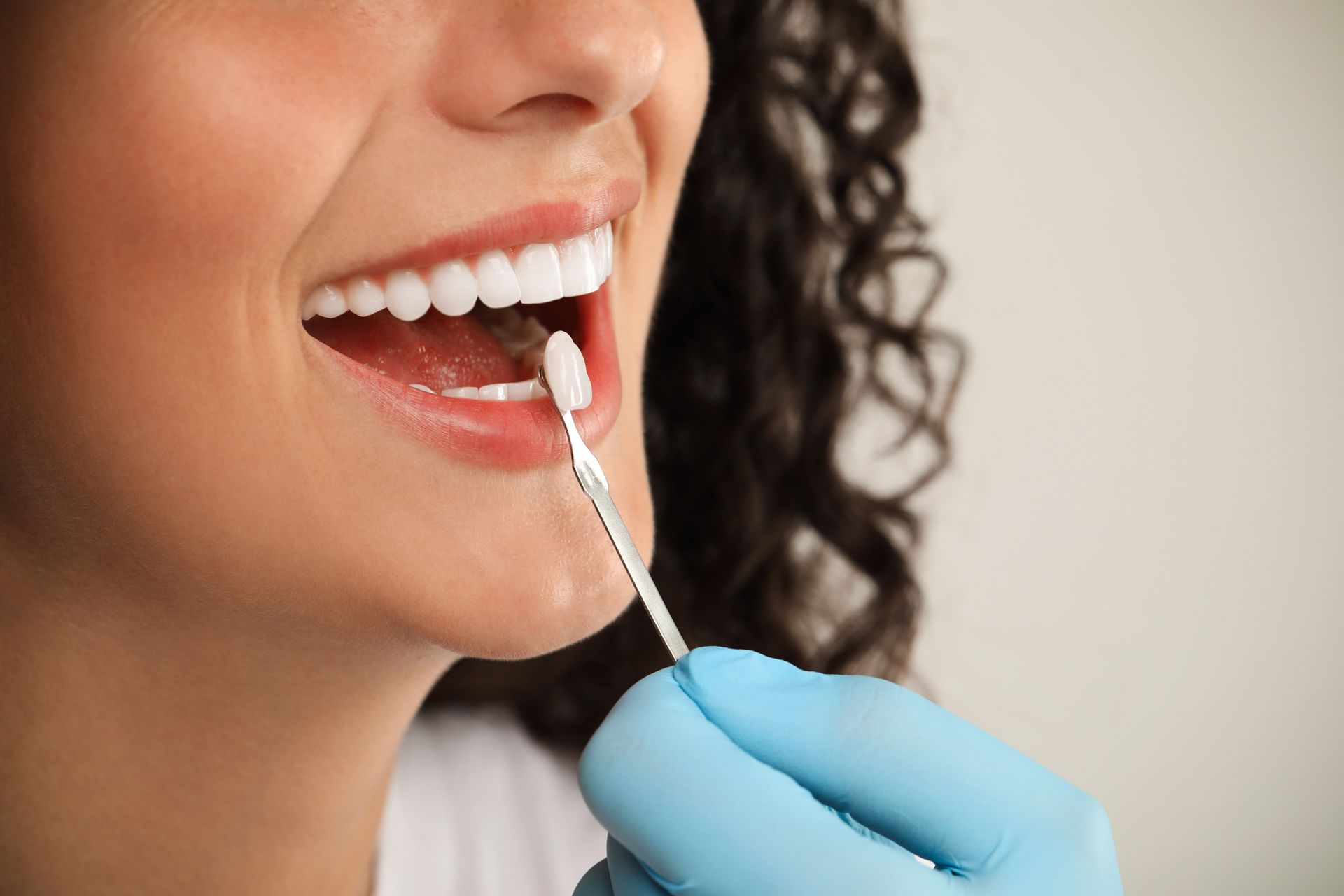
We have a dedicated focus on preventive dentistry, but we also specialize in premier cosmetic and restorative dentistry services, including dental implants, porcelain veneers, Invisalign®, and teeth whitening. Our comprehensive services also include advanced treatment for patients who have suffered from extensive tooth or gum damage.
We can improve oral health and enhance smiles for patients of all ages. Share your smile and share your dentist with your friends and family, through our refer a friend program. Our team can explain more about the benefits.



Recents news

Tooth decay at the gum line is a common but often overlooked dental issue. Because it forms where the tooth meets the gums, it can be harder to spot and more challenging to treat if ignored. Understanding why it happens and how it’s treated can help protect your smile long-term. What Is Gum Line Decay? Gum line decay occurs when plaque and bacteria accumulate near the base of the tooth. Over time, acids produced by bacteria erode the enamel and attack the softer dentin beneath. As gums recede with age or gum disease, this area becomes even more vulnerable. Why This Area Is So Vulnerable Thinner enamel near the gumline Gum recession , exposing root surfaces Difficulty cleaning this area effectively Dry mouth , reducing protective saliva Aggressive brushing , which can wear enamel down Early Signs of Gum Line Decay Catching decay early makes treatment simpler and less invasive. Warning signs include: Sensitivity to hot, cold, or sweet foods Visible discoloration near the gums Rough spots or grooves at the tooth base Mild pain when brushing If left untreated, decay can spread beneath the gums, leading to infection or tooth loss. Treatment Options The treatment depends on the severity of the decay: Fluoride treatments may be used in early stages to remineralize weakened enamel. Dental fillings are the most common solution for moderate decay, restoring strength and preventing further damage. Root canal therapy may be necessary if decay reaches the tooth’s pulp. Crowns may be recommended for extensive damage. In advanced cases, gum therapy or surgical treatment may be needed. Preventing Gum Line Decay Prevention is always better than treatment. Key steps include: Brushing gently with a soft-bristled toothbrush Using fluoride toothpaste Flossing daily to remove plaque near the gums Using a toothpaste designed for sensitive or exposed roots Managing dry mouth Scheduling regular dental cleanings Don’t Ignore Subtle Symptoms Gum line decay often progresses quietly. Regular dental exams allow your dentist to detect early changes before they become painful or costly. Protecting the base of your teeth is essential to maintaining a healthy, strong smile for life.

Bad breath, also known as halitosis, is incredibly common—and often embarrassing. While an occasional case of bad breath after eating garlic or drinking coffee is normal, persistent bad breath can signal underlying oral health issues. The good news? In most cases, bad breath is treatable and preventable with the right habits and professional care. Common Causes of Bad Breath The most frequent cause of bad breath is bacteria. Our mouths are home to millions of bacteria that break down food particles, releasing foul-smelling sulfur compounds. When oral hygiene is lacking, these bacteria flourish. Other common contributors include: Poor brushing and flossing habits Dry mouth (xerostomia) , often caused by medications or mouth breathing Gum disease , which allows bacteria to hide below the gumline Tongue buildup , especially on the back of the tongue Tooth decay or dental infections Diet , including strong-smelling foods and sugary snacks Smoking or tobacco use Medical conditions , such as acid reflux, sinus infections, or diabetes Daily Habits That Help Eliminate Bad Breath The foundation of fresh breath starts with excellent oral hygiene: Brush twice daily for at least two minutes, paying close attention to the gumline. Floss every day to remove food particles and plaque between teeth. Clean your tongue using a tongue scraper or your toothbrush—this step alone can significantly reduce odor. Stay hydrated. Drinking water throughout the day helps wash away bacteria and prevents dry mouth. Use an alcohol-free mouthwash. Alcohol can dry out the mouth, worsening bad breath over time. Diet and Lifestyle Tips What you eat matters. Crunchy fruits and vegetables like apples and carrots help stimulate saliva and naturally clean teeth. Limiting sugary foods reduces the fuel bacteria need to thrive. If you smoke or use tobacco, quitting can dramatically improve breath and overall oral health. Smoking dries out the mouth and contributes to gum disease, one of the leading causes of chronic bad breath. When Bad Breath Signals a Bigger Problem Persistent bad breath that doesn’t improve with good oral hygiene may be a sign of: Gum disease Cavities Dental abscesses Poorly fitting dental restorations A professional dental exam can identify and treat these issues before they worsen. Professional Solutions Regular dental cleanings remove hardened plaque (tartar) that brushing can’t eliminate. Your dentist may also recommend treatments for gum disease, fluoride therapies, or guidance for managing dry mouth. Fresh Breath Starts With Healthy Teeth Bad breath isn’t just a social issue—it’s often a health issue. By maintaining strong daily habits and keeping up with routine dental visits, you can enjoy long-lasting fresh breath and confidence in your smile.

When it comes to oral health, teeth often get all the attention—but your gums are just as important. Healthy gums are the foundation of a strong, beautiful smile. They protect your teeth, support your jawbone, and even influence your overall health. Understanding how to care for your gums can help you prevent problems before they start. Why Gum Health Matters Your gums are made of soft tissue that holds your teeth securely in place and acts as a barrier against bacteria. When plaque—a sticky film of bacteria—builds up along the gumline, it can cause inflammation known as gingivitis. Left untreated, gingivitis can progress to periodontitis, a more serious form of gum disease that can lead to tooth loss and bone damage. But the effects of gum disease don’t stop at your mouth. Research has linked periodontal disease to other health conditions such as diabetes, heart disease, and stroke. Keeping your gums healthy supports not just your smile but your whole body. Signs of Unhealthy Gums Healthy gums are firm, pink, and don’t bleed easily. If you notice bleeding when brushing or flossing, persistent bad breath, swollen or receding gums, or loose teeth, it’s time to schedule an appointment with your dentist. These may be early signs of gum disease—and early intervention can make all the difference. Tips for Maintaining Healthy Gums Brush twice daily: Use a soft-bristled toothbrush and fluoride toothpaste. Be gentle—aggressive brushing can irritate gum tissue. Floss every day: Flossing removes plaque and food particles between teeth where your toothbrush can’t reach. Rinse with mouthwash: Antibacterial mouthwash can reduce plaque and prevent gum inflammation. Eat a balanced diet: Nutrient-rich foods, especially those high in vitamin C and calcium, strengthen gum tissue. Avoid tobacco: Smoking and chewing tobacco significantly increase the risk of gum disease. See your dentist regularly: Professional cleanings and checkups are key to catching issues early and keeping your gums in top shape. The Bottom Line Your gums are the unsung heroes of your smile. By practicing good oral hygiene and visiting your dentist regularly, you can prevent gum disease, preserve your teeth, and protect your overall health. Healthy gums don’t just support your smile—they help it shine.
Affiliations