HOW DOES SMOKING AFFECT OUR TEETH?

nat rosasco • February 16, 2023
A woman is blowing smoke out of her mouth.

Smoking is a significant cause of many health problems, including cardiovascular diseases, respiratory diseases, and cancer. However, many people do not realize that smoking also has adverse effects on their oral health, leading to a wide range of dental problems. 


Empty heading

Stained Teeth

One of the most substantial effects of smoking is yellow or brown stains on teeth. The nicotine and tar in cigarettes seep into the porous enamel of teeth, causing discoloration. Over time, these stains become harder to remove, leading to a yellowish or brownish tint on your teeth.


Sensitive Teeth

Smoking can also compromise the structural integrity of your teeth and make them more sensitive to hot and cold foods and liquids. The heat from a cigarette can also damage the enamel, leading to sensitivity and discomfort.


Dental Decay

Smoking can cause a bacterial acid attack on the teeth, leading to dental decay. Chronic smokers tend to have a higher incidence of dental cavities than non-smokers. The compromised structural integrity of the teeth makes them more susceptible to decay.


Gum Diseases


Gum diseases can lead to tooth loss and other serious health problems. It can also cause gums to discolor and recede, exposing the tooth's root. Smoking can also lead to inflammation of the gums and cause gum diseases like gingivitis and periodontitis.


Canker Sores

Smokers are more susceptible to canker sores, which are small, painful ulcers that appear on the tongue, cheek, gums, roof, or floor of the mouth. These sores can make it difficult to eat and talk and can take several weeks to heal.


Decreases Taste Perception

Heavy and chronic smoking can lead to a decrease in taste perception. Smoking can damage taste buds, making it difficult to taste flavors and enjoy food.


Bad Breath

Smoking also causes bad breath, which can be embarrassing and unpleasant. Smoking contributes to the accumulation of a buildup of bacteria in the mouth, leading to halitosis.


Slower Healing

Smoking can also affect the healing process in the body, including post-dental surgery. Smokers may experience slower healing after dental extractions. They are more prone to dental infections like dry socket, which is a painful condition that occurs when the blood clot that forms after a tooth extraction dislodges.


Oral Cancers

Smoking is a widely known cause of oral cancer, which can be life-threatening. Oral cancer can involve the lips, tongue, cheeks, gums, and other parts of the mouth. It can start as a small lump or non-healing ulcer and can quickly spread to other parts of the body if not treated promptly. If you notice any unusual symptoms in your mouth, such as a lump or a non-healing ulcer, it is crucial to see a skilled dentist in Vernon Hill, IL, to get it checked and treated immediately.


In conclusion, smoking has numerous adverse effects on your oral health, ranging from discolored teeth and bad breath to gum diseases, canker sores, and oral cancers. Eliminating smoking is the most trusted way to prevent these problems and maintain good oral health. If you are a smoker, it is essential that you consult a dentist in Vernon Hills, IL, regularly to monitor your oral health and detect any problems early. If you have any more questions or wish to schedule an appointment, please reach out to us. Our team of compassionate dental professionals is Goduco Smiles is here to assist you with healthy oral and overall health. 


June 23, 2026
Haven’t Been to the Dentist in Years? You’re Not Alone. Life gets busy. Things get put off. And before you know it, it’s been years. We understand—and we’re here to help, not judge.
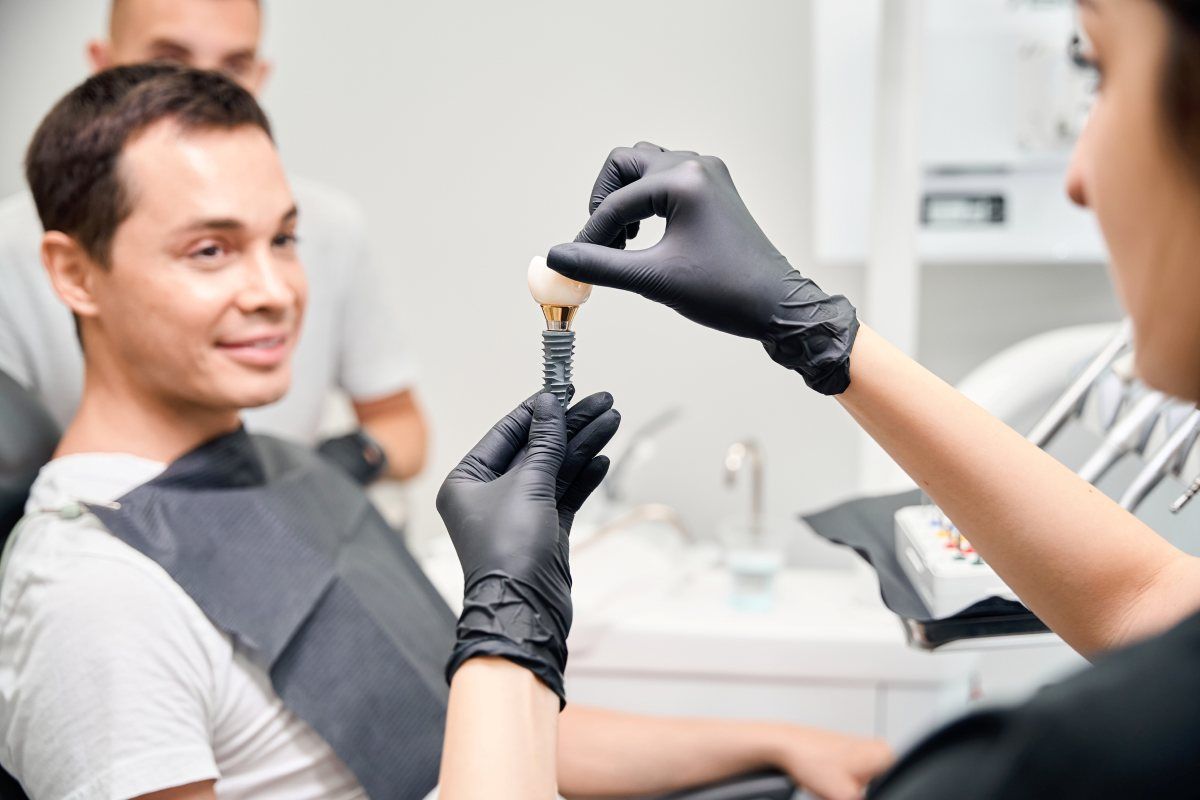
Same day dental implant model demonstration during consultation appointment
By . . June 23, 2026
Stay ahead in 2026 with Goduco Family Dentistry. Learn about the latest cosmetic dentistry trends that can give you the modern smile you've always wanted.
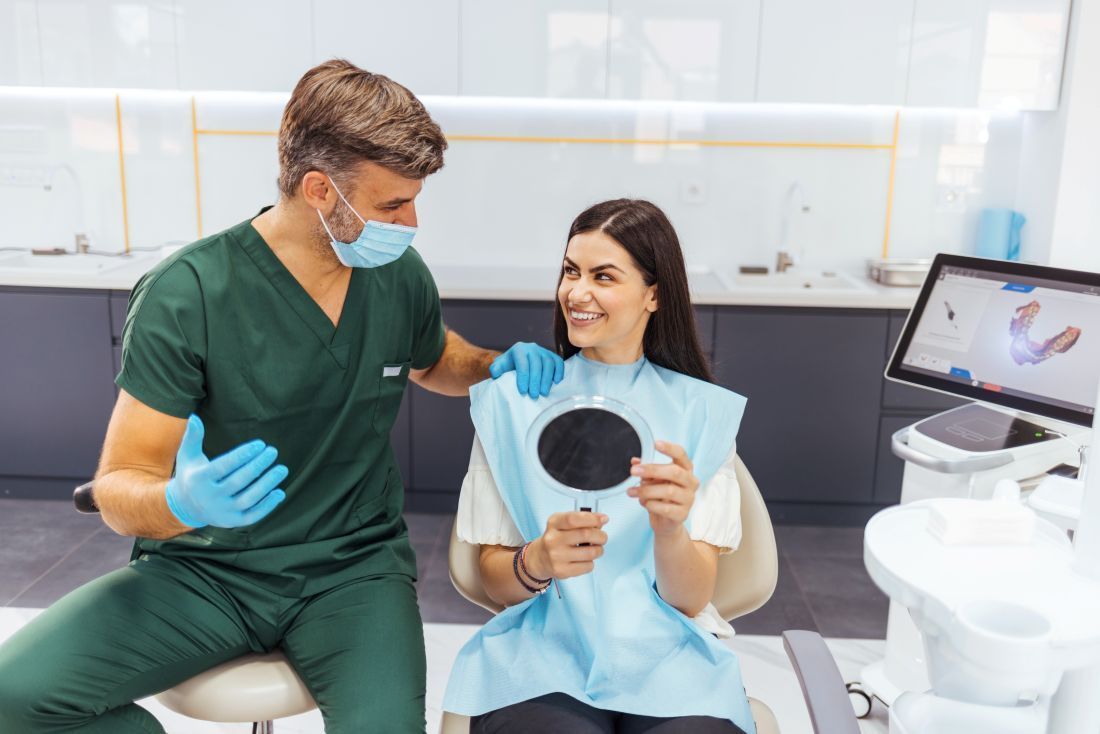
Dentist consultation showing digital smile design with mirror review
By . . June 16, 2026
Stay ahead in 2026 with Goduco Family Dentistry. Learn about the latest cosmetic dentistry trends that can give you the modern smile you've always wanted.
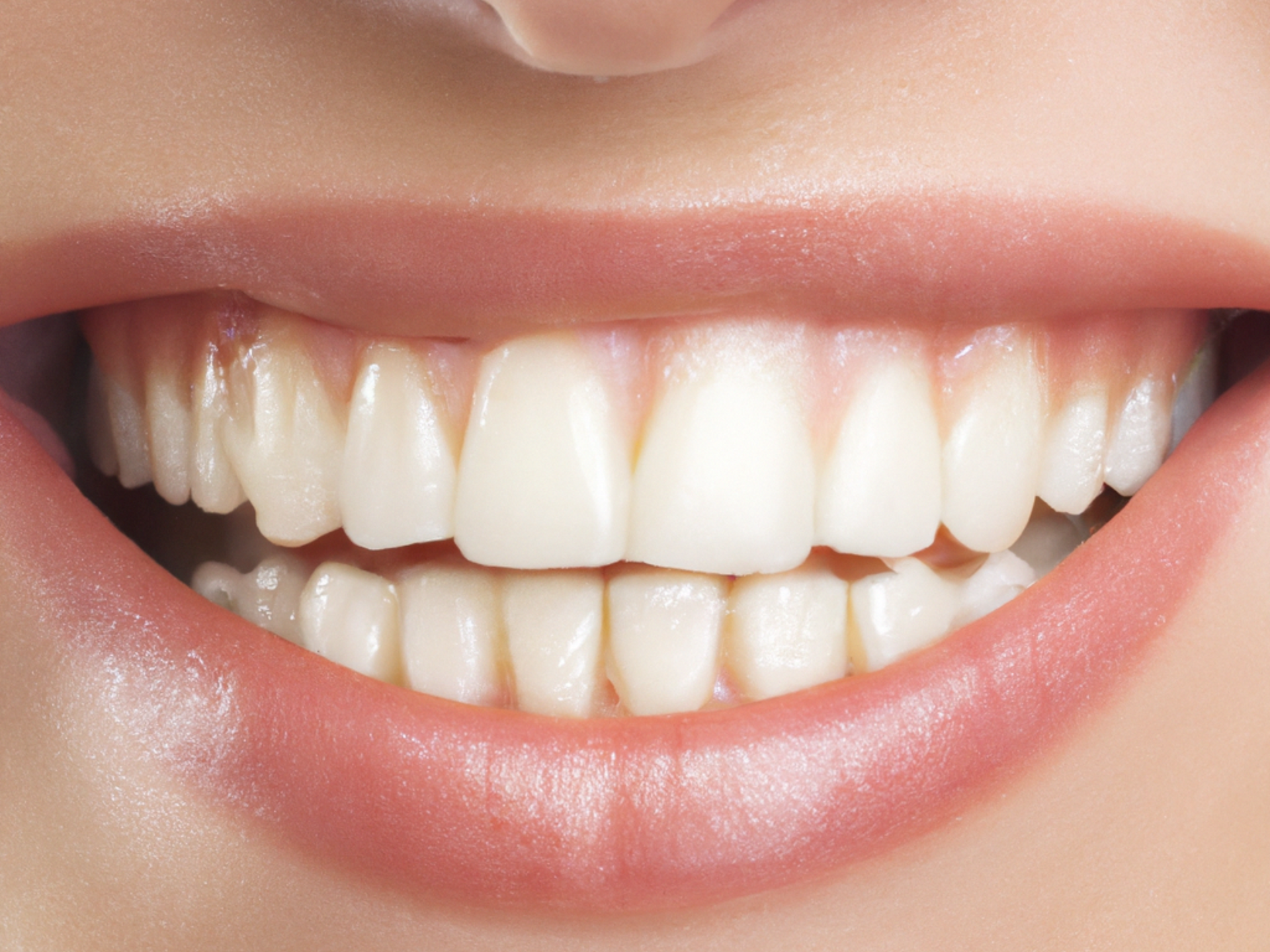
Close-up of smooth aligned teeth showing cosmetic dentistry smile results
By Jini Goduco June 9, 2026
Explore teeth reshaping and contouring benefits, procedure steps, and results for achieving a smooth, balanced smile at Goduco Family Dentistry.
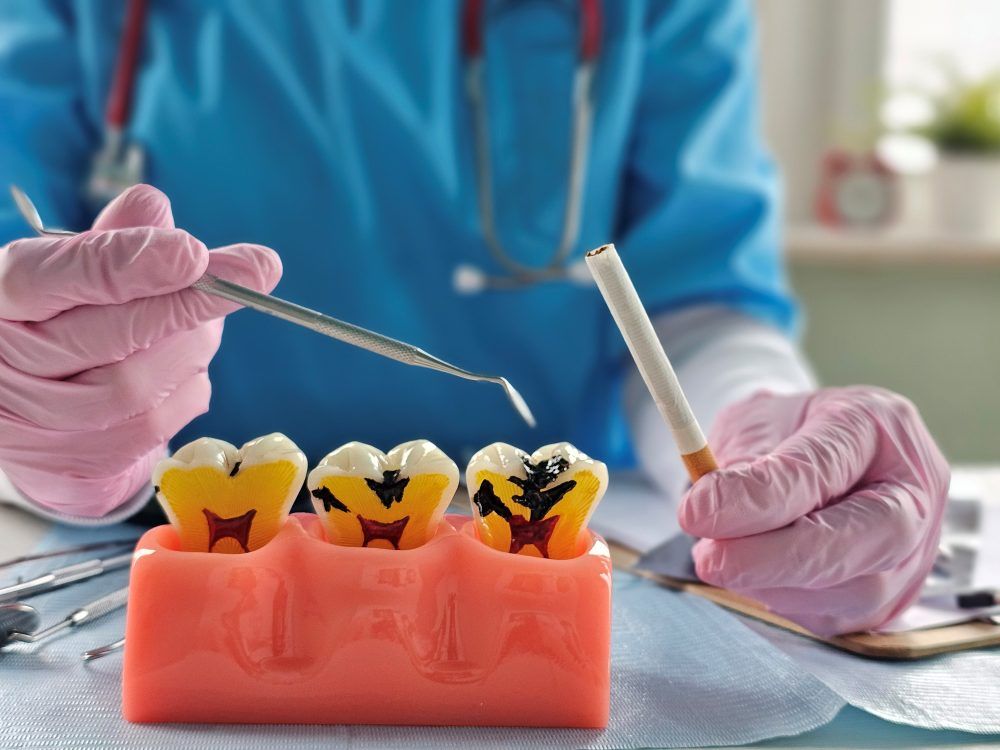
Dental model showing tooth decay effects compared with smoking risk
By . . June 2, 2026
Learn how smoking affects dental implant success, healing risks, and precautions to improve outcomes from experts at Goduco Family Dentistry.
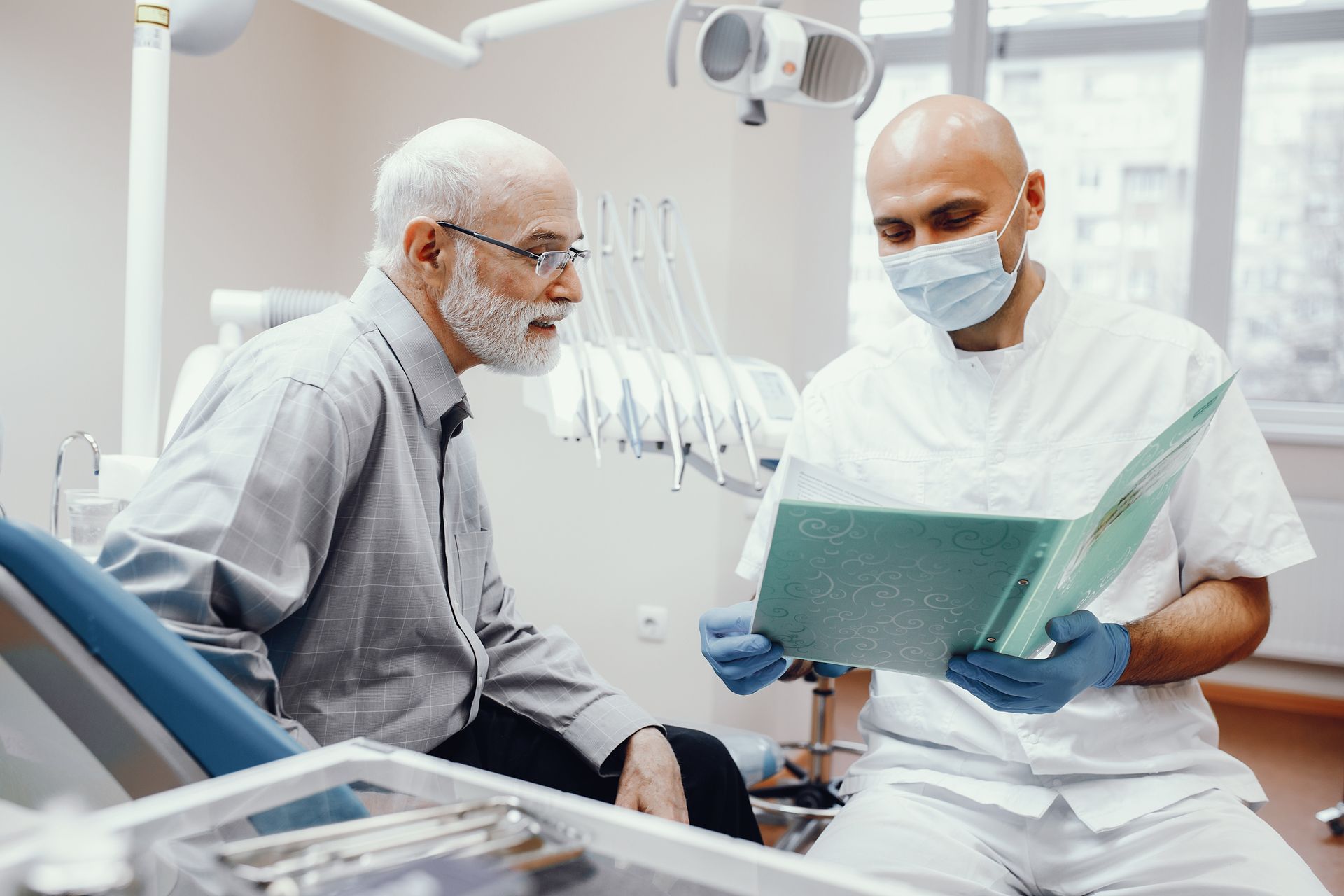
Dental patient reviewing smile results mirror cosmetic dentistry visit
By . . May 26, 2026
Discover how cosmetic dentistry enhances confidence and appearance with treatments like veneers, whitening, and bonding at Goduco Family Dentistry.
Dental bonding curing light applied during treatment
By . . May 19, 2026
Close gaps in your smile with dental bonding at Goduco Family Dentistry! Learn about the benefits, procedure steps, and impressive results today.
March 2, 2026
Teeth grinding (bruxism) and temporomandibular joint disorder (TMJ/TMD) affect millions of people—often without them realizing it. A custom night guard can be a simple yet powerful solution to protect your teeth and relieve discomfort. What Is Teeth Grinding and TMJ? Bruxism is the involuntary grinding or clenching of teeth, often during sleep. TMJ disorders affect the jaw joint, causing pain, clicking, headaches, and difficulty chewing.  Stress, misaligned teeth, sleep disorders, and jaw structure can all contribute. Signs You May Need a Night Guard Common symptoms include: Worn, chipped, or cracked teeth Jaw pain or stiffness Morning headaches Facial or ear pain Clicking or popping in the jaw Neck and shoulder tension How Night Guards Help A night guard creates a protective barrier between your upper and lower teeth. Benefits include: Preventing tooth wear and fractures Reducing jaw muscle tension Alleviating TMJ-related pain Protecting dental restorations Improving sleep quality Custom vs. Over-the-Counter Night Guards While store-bought guards may seem convenient, they often: Fit poorly Feel bulky Provide limited protection Worsen jaw alignment A custom-made night guard , designed by your dentist, fits precisely and provides targeted support based on your bite and symptoms. Night Guards and TMJ Relief For TMJ sufferers, night guards can help reposition the jaw slightly, reducing strain on the joint. While not a cure, they are an effective part of a comprehensive treatment plan. Protect Your Smile While You Sleep Grinding often happens unconsciously, making prevention difficult without protection. A night guard is a proactive way to preserve your teeth, reduce pain, and avoid costly dental repairs in the future. If you suspect grinding or TMJ issues, a dental evaluation can determine whether a custom night guard is right for you.
February 2, 2026
Invisalign has transformed orthodontic treatment by offering a nearly invisible, removable alternative to traditional braces. While Invisalign provides flexibility, it also comes with specific rules—especially when it comes to eating and drinking. Can You Eat With Invisalign In? The short answer is no . Invisalign aligners must be removed before eating any food. Chewing with aligners in place can:  Crack or warp the aligners Trap food and bacteria Increase the risk of cavities and staining Always remove your aligners before meals or snacks. What About Drinking? Water is the only beverage you can safely drink while wearing Invisalign. Other drinks—such as coffee, tea, soda, juice, or wine—can: Stain aligners Cause sugar or acid buildup Warp aligners if hot If you do drink anything other than water, remove your aligners first. Eating Tips for Invisalign Wearers Because aligners should be worn 20–22 hours per day , planning meals is important: Stick to structured meals instead of frequent snacking Rinse your mouth or brush before reinserting aligners Keep a travel toothbrush handy Store aligners in their case to avoid damage or loss What Foods Should You Be Careful With? While Invisalign doesn’t restrict food types the way braces do, sugary and acidic foods can still increase your risk of cavities if oral hygiene slips. Limit: Sticky candies Sugary drinks Acidic foods like citrus and soda Why Oral Hygiene Matters More With Invisalign Aligners create a sealed environment around your teeth. If food particles or plaque are trapped inside, bacteria multiply quickly. Brushing and flossing after meals is essential to avoid decay or bad breath. The Payoff Is Worth It While Invisalign requires discipline, the benefits are significant: fewer food restrictions, easier cleaning, and a discreet treatment option. With good habits, Invisalign can straighten your smile comfortably and effectively.
January 5, 2026
Explore methods to treat tooth decay at the gum line with expert advice from Goduco Family Dentistry. Learn prevention tips for healthier gums.